
Top Destinations in Iceland: Where to Experience Fire, Ice & Unforgettable Landscapes
Top Destinations in Iceland: Where to Experience Fire, Ice & Unforgettable Landscapes
Iceland may be small in size, but its landscapes are vast, diverse, and otherworldly. From thundering waterfalls and black-sand beaches to vibrant cultural hubs and remote fjords, the island offers destinations that satisfy every type of traveler. This guide introduces the top regions and landmarks you shouldn’t miss when planning your trip.
Reykjavík: Iceland’s Colorful Capital
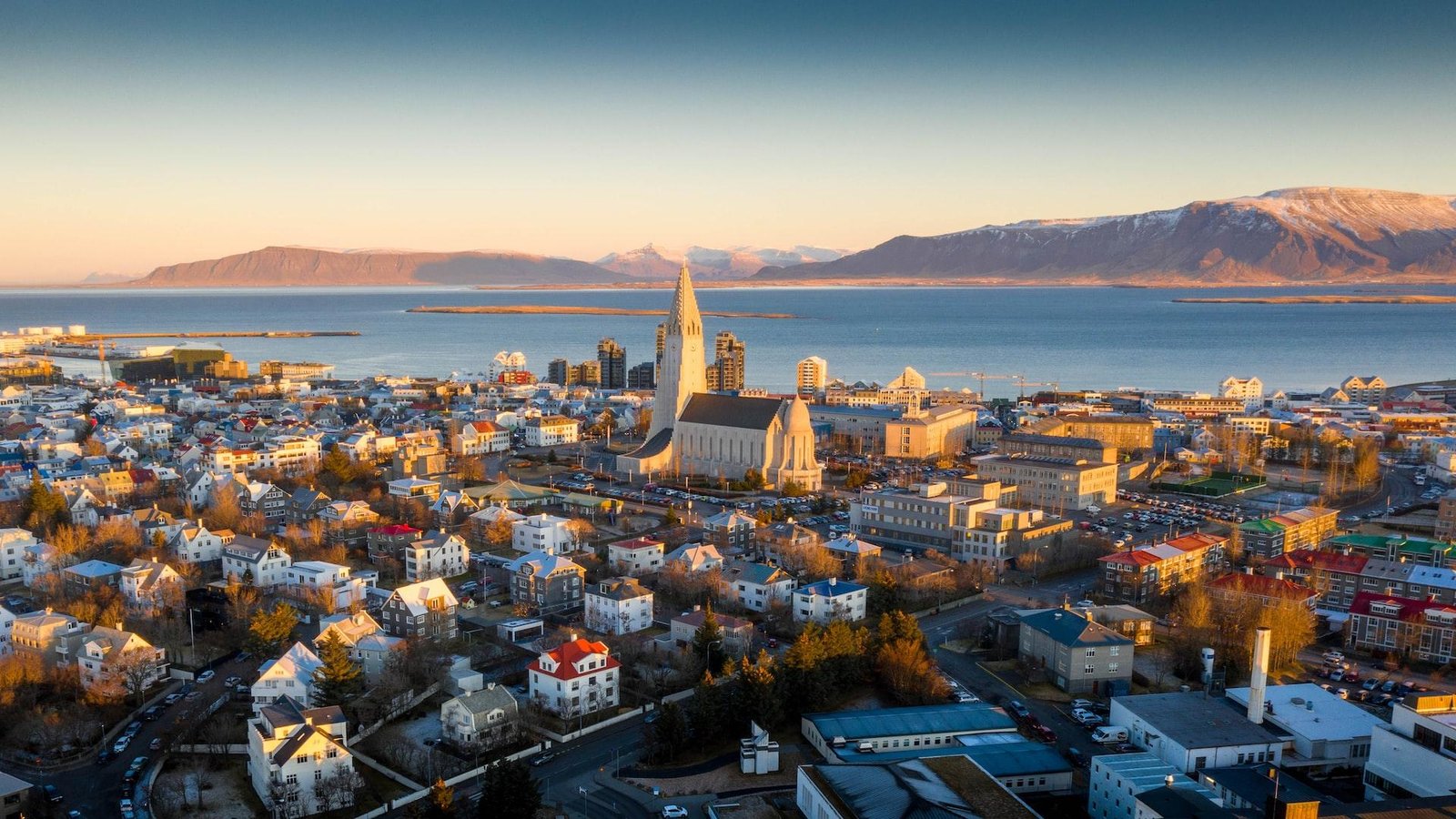
Most travelers begin their journey in Reykjavík, the world’s northernmost capital. Despite its small size, the city pulses with energy. Colorful houses, street art, and ocean views create a vibrant atmosphere. Highlights include the futuristic Hallgrímskirkja Church, the Harpa Concert Hall with its glass façade inspired by basalt columns, and the lively old harbor district.
Reykjavík is also Iceland’s cultural heart. Museums such as the National Museum and the Settlement Exhibition tell stories of Viking settlers, while galleries, music venues, and theaters showcase modern creativity. Nightlife thrives on weekends, when bars and cafés stay open late. As a base, Reykjavík provides easy access to the Golden Circle, whale-watching tours, and day trips to geothermal spas.
The Golden Circle: Iceland’s Iconic Route
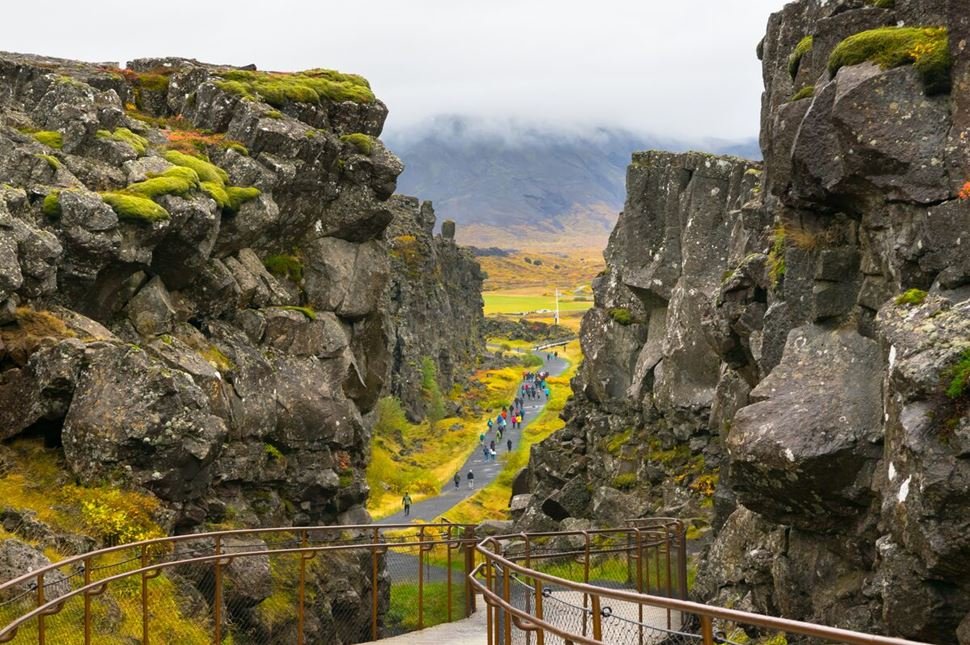
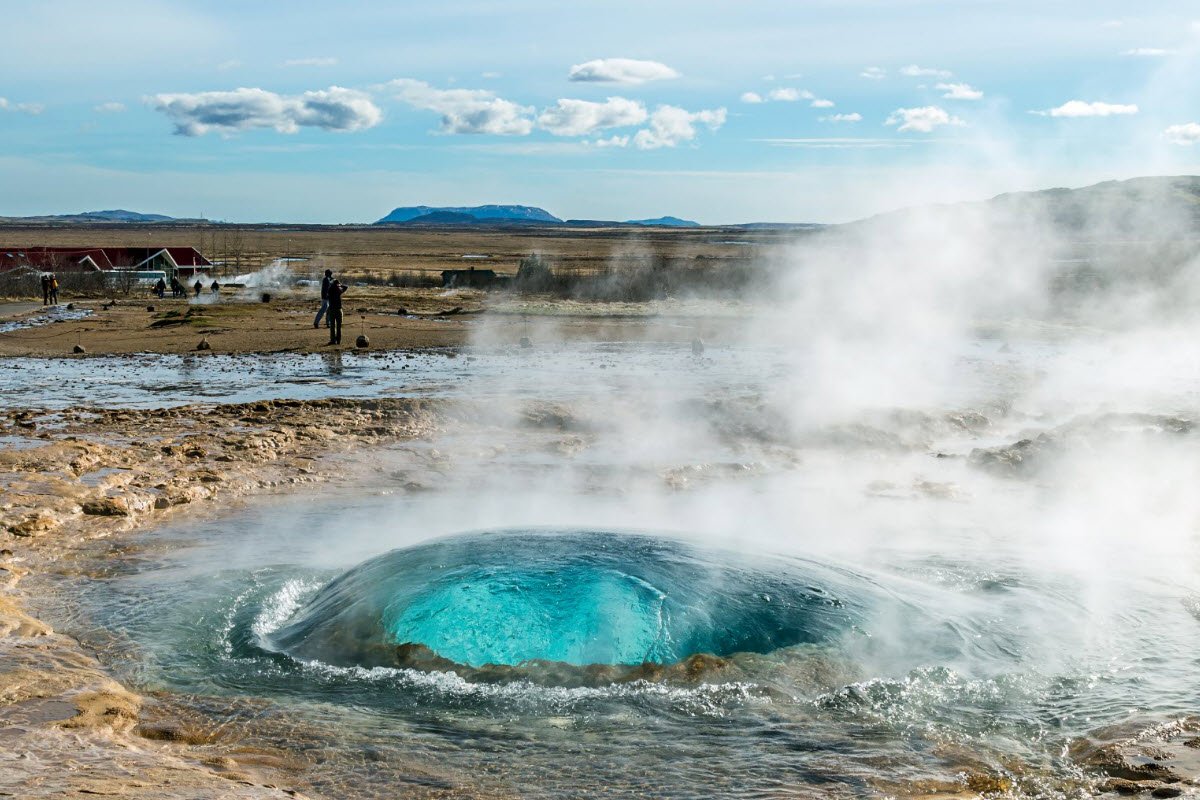
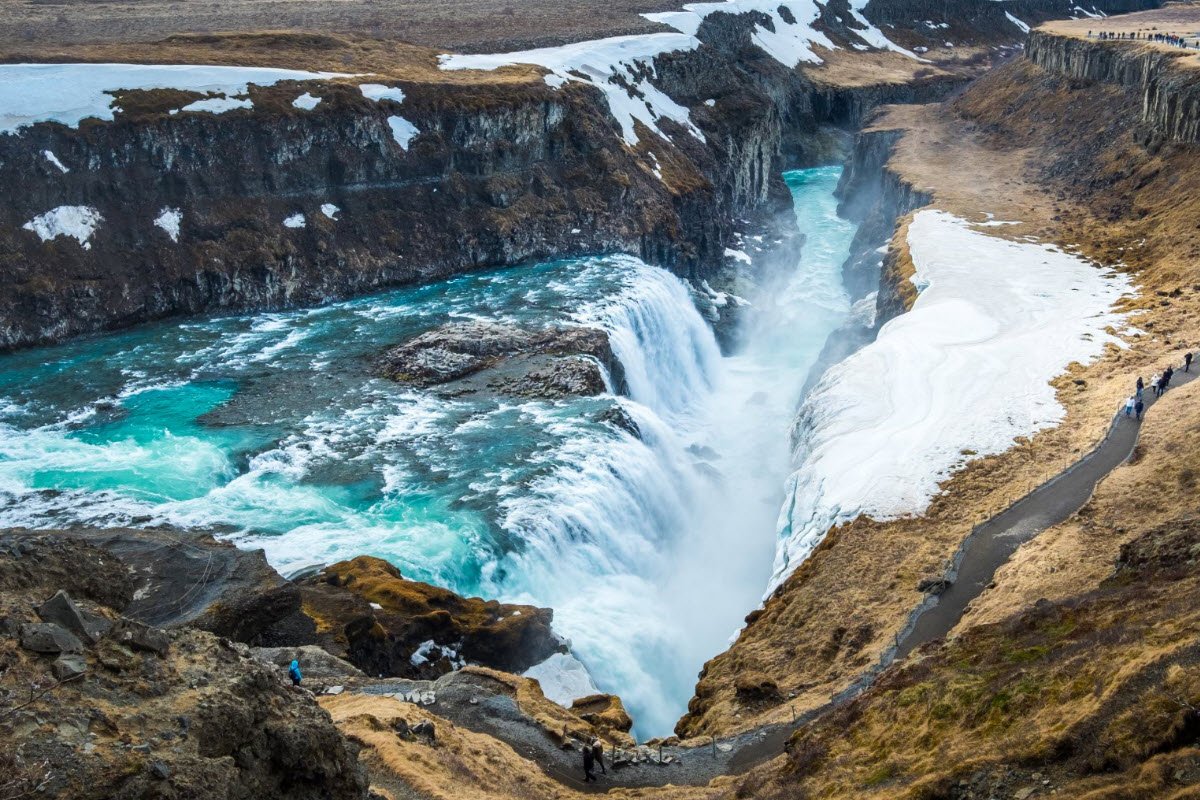
Just outside Reykjavík lies the Golden Circle, Iceland’s most famous sightseeing circuit. The route includes three essential stops:
- Þingvellir National Park – A UNESCO World Heritage Site where you can walk between two tectonic plates. It was also the site of Iceland’s first parliament, founded in 930 AD.
- Geysir Geothermal Area – Home to Strokkur, a geyser that erupts every 5–10 minutes, shooting boiling water high into the air.
- Gullfoss Waterfall – A two-tiered cascade plunging into a canyon, one of Iceland’s most photographed natural wonders.
Many travelers complete the Golden Circle in a day, but staying overnight in the area allows for quieter visits and the chance to explore lesser-known geothermal pools and hiking trails nearby.
South Coast: Waterfalls, Beaches & Glaciers
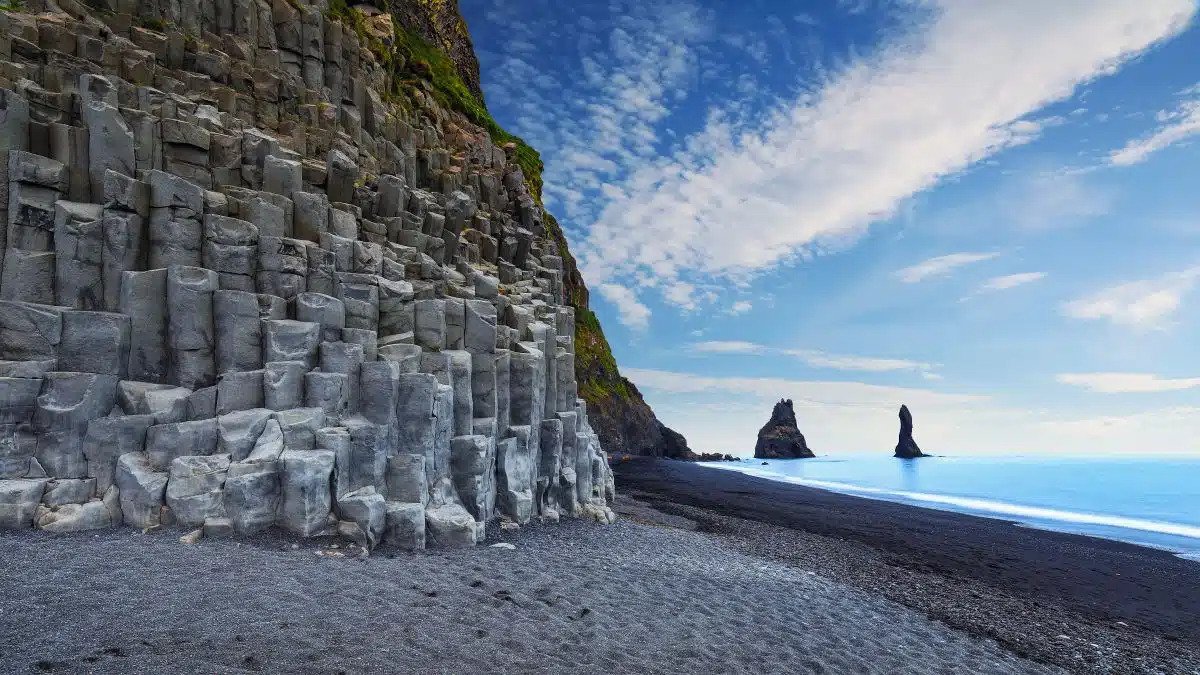
The south coast offers some of Iceland’s most dramatic scenery. Along Route 1, you’ll find waterfalls like Seljalandsfoss, where you can walk behind the curtain of water, and Skógafoss, which often creates rainbows on sunny days. Farther east, the black-sand Reynisfjara Beach near Vík features basalt columns and towering sea stacks. Travelers should admire from a safe distance, as “sneaker waves” are dangerous here.
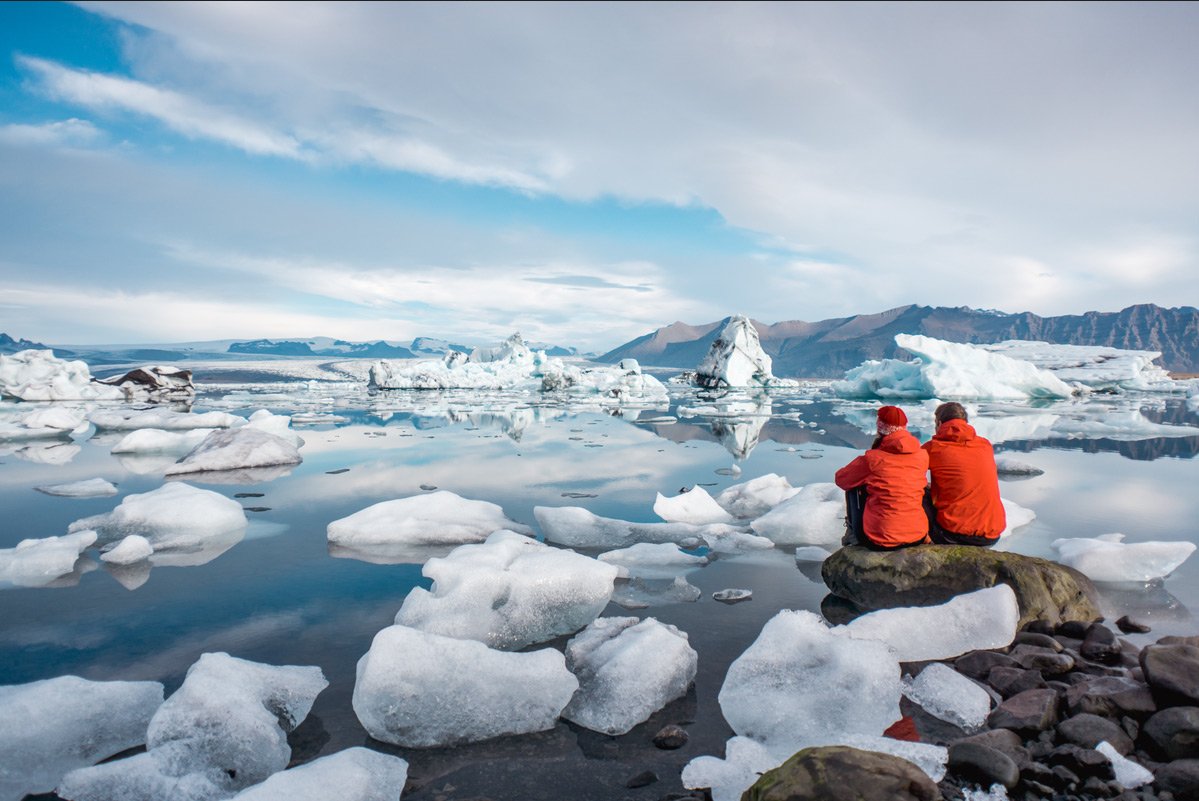
Glaciers dominate the landscape, including Eyjafjallajökull, famous for its 2010 eruption, and Vatnajökull, Europe’s largest glacier. The Jökulsárlón Glacier Lagoon and the nearby Diamond Beach, where icebergs wash ashore, are unforgettable highlights. This stretch is also rich in hiking routes and offers access to guided glacier walks and ice caves in winter.
Snæfellsnes Peninsula: Iceland in Miniature
Often called “Iceland in Miniature,” the Snæfellsnes Peninsula condenses the country’s landscapes into a single region. The Snæfellsjökull Glacier Volcano, immortalized in Jules Verne’s novel *Journey to the Center of the Earth*, dominates the national park at the peninsula’s tip. Coastal cliffs at Arnarstapi host seabirds and offer scenic hikes, while black-pebble Djúpalónssandur beach adds dramatic views.
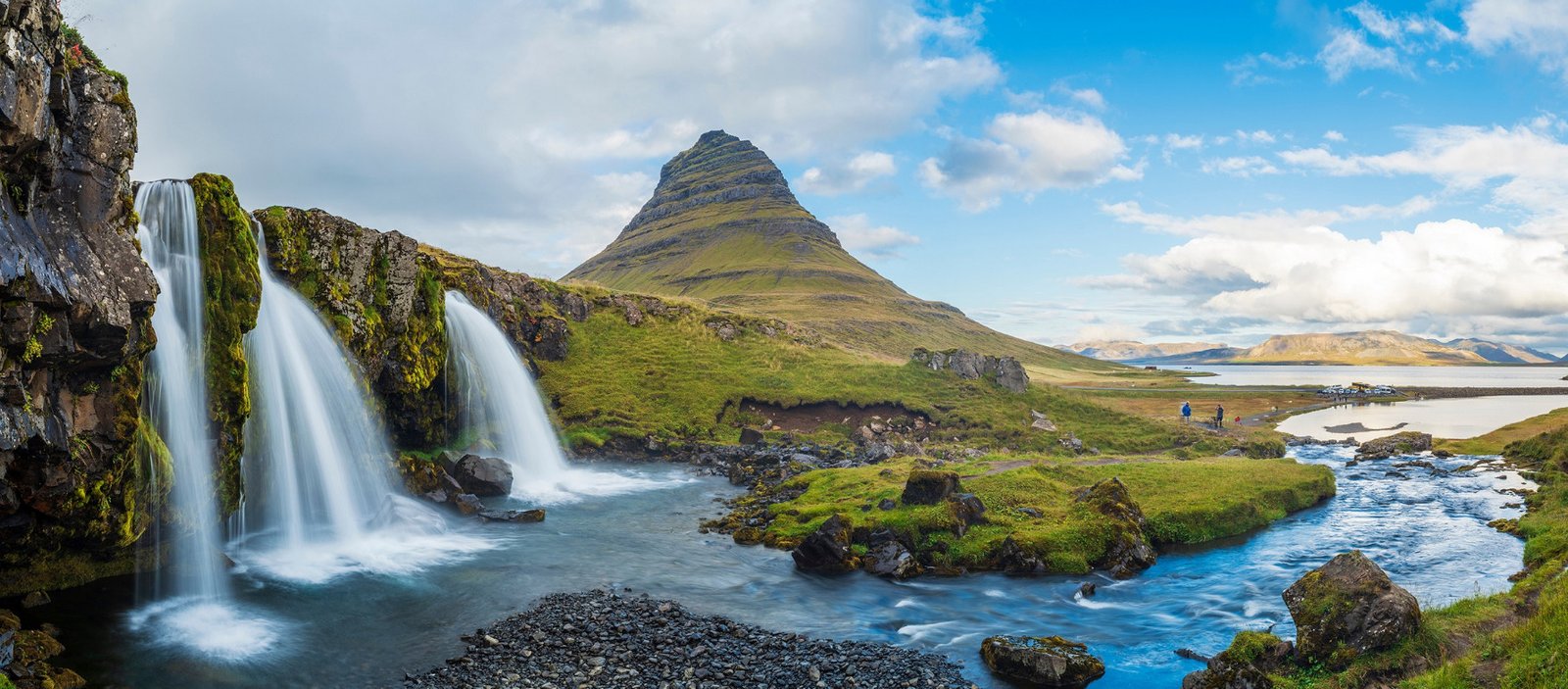
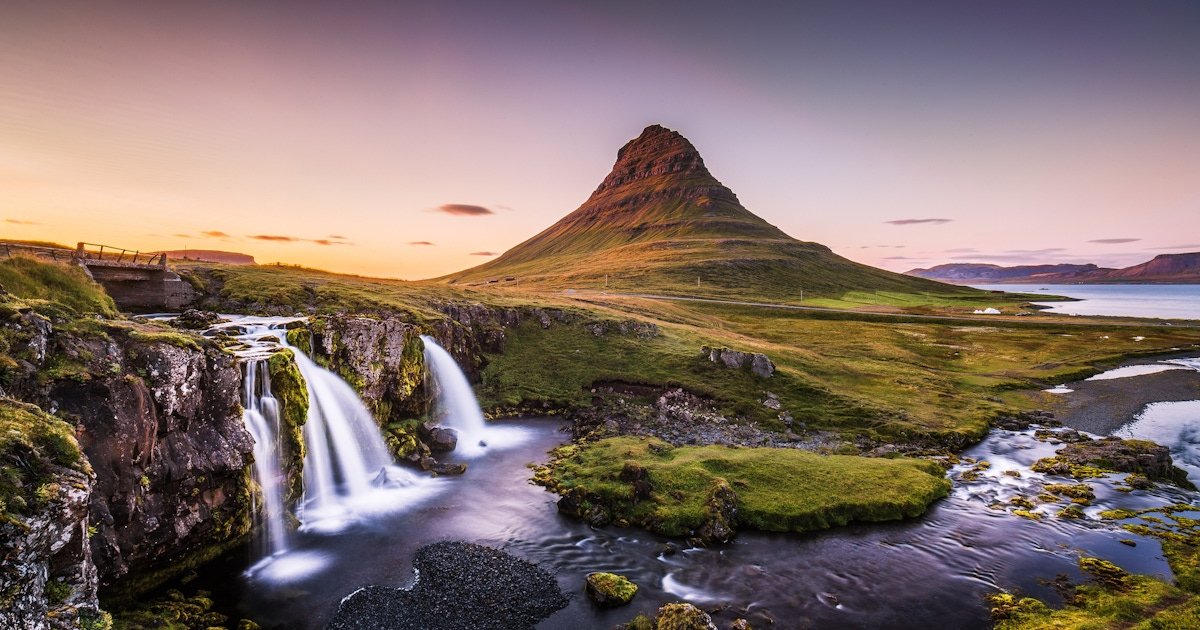
The iconic Kirkjufell Mountain, near the town of Grundarfjörður, is one of Iceland’s most photographed landmarks, often paired with a foreground waterfall. For travelers with limited time, Snæfellsnes provides a compact yet stunning overview of Iceland’s geology, wildlife, and folklore.
The Westfjords: Remote & Wild Beauty

The Westfjords are Iceland’s most remote region, visited by a smaller percentage of tourists but deeply rewarding. Jagged coastlines, isolated fishing villages, and dramatic fjords define the landscape. The Dynjandi Waterfall, a wide, tiered cascade, is the region’s crown jewel.
Birdwatchers flock to Látrabjarg Cliffs, home to puffins and other seabirds nesting in the summer. The Westfjords also host natural hot springs like Hellulaug, where travelers soak while gazing at fjords. With limited infrastructure, the Westfjords require planning, but their solitude and wild beauty provide one of Iceland’s most authentic experiences.
North Iceland: Volcanoes & Mývatn

North Iceland blends volcanic landscapes with cultural towns. The Lake Mývatn area is known for geothermal fields, pseudocraters, and birdlife. The bubbling mud pools of Hverir and the lava formations at Dimmuborgir create otherworldly scenes. Winter visitors can explore ice caves and hunt for the Northern Lights under clear skies.
The town of Akureyri, Iceland’s “northern capital,” offers botanical gardens, skiing in winter, and easy access to whale-watching tours in nearby Húsavík. The region is also home to Dettifoss, Europe’s most powerful waterfall, crashing into a canyon with immense force.
The East Fjords: Quiet Landscapes & Villages
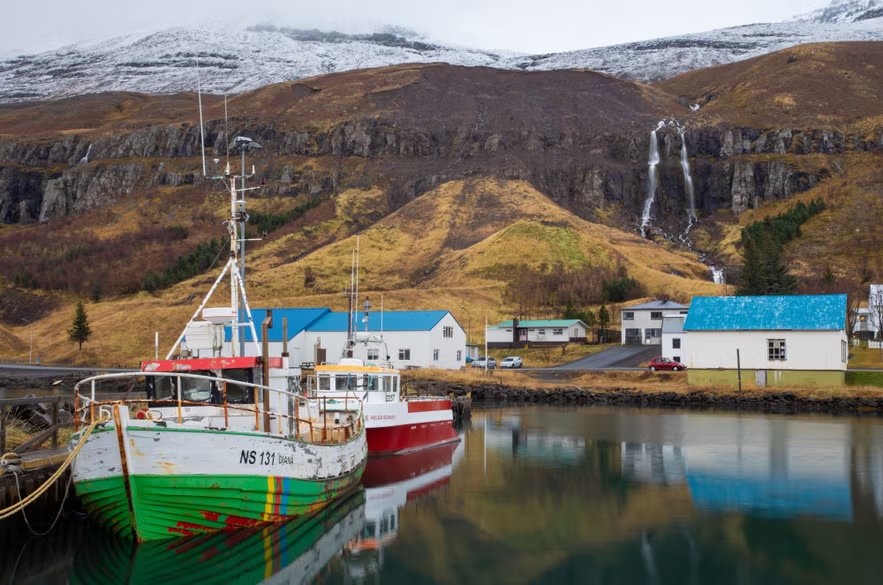
Often bypassed by travelers rushing along the Ring Road, the East Fjords reward those who linger. Winding roads hug fjords lined with fishing villages and colorful houses. Herds of wild reindeer roam the area, especially in winter, making it unique in Iceland.
Hiking trails lead into dramatic mountains, while small towns like Seyðisfjörður welcome visitors with art, culture, and local food. The East Fjords are also gateways to adventures in the highlands, accessible during summer when mountain roads open.
West Iceland: History & Hot Springs
Close to Reykjavík yet often overlooked, West Iceland is rich in history and geothermal activity. The town of Borgarnes hosts the Settlement Center, where visitors learn about Viking history and sagas. Nearby, Hraunfossar and Barnafoss waterfalls flow through lava fields, creating surreal scenery.
The region also features Deildartunguhver, Europe’s most powerful hot spring, supplying hot water to towns kilometers away. West Iceland offers easy day trips from the capital and a balance of culture and nature.
The Highlands: Iceland’s Wild Interior
Accessible only in summer, the highlands represent Iceland’s rawest landscapes. Rough F-roads lead to colorful rhyolite mountains in Landmannalaugar, where geothermal hot springs and hiking trails attract adventurers. Þórsmörk Valley, surrounded by glaciers and volcanoes, is another highlight, accessible by river crossings and rugged terrain.
For experienced hikers, multi-day treks like the Laugavegur Trail offer unforgettable journeys across volcanic deserts, glacier rivers, and mountain ranges. The highlands demand preparation and respect but deliver unmatched wilderness experiences. For safety and logistics, see our Travel Tips for Iceland.
Islands of Iceland: Westman Islands & Beyond
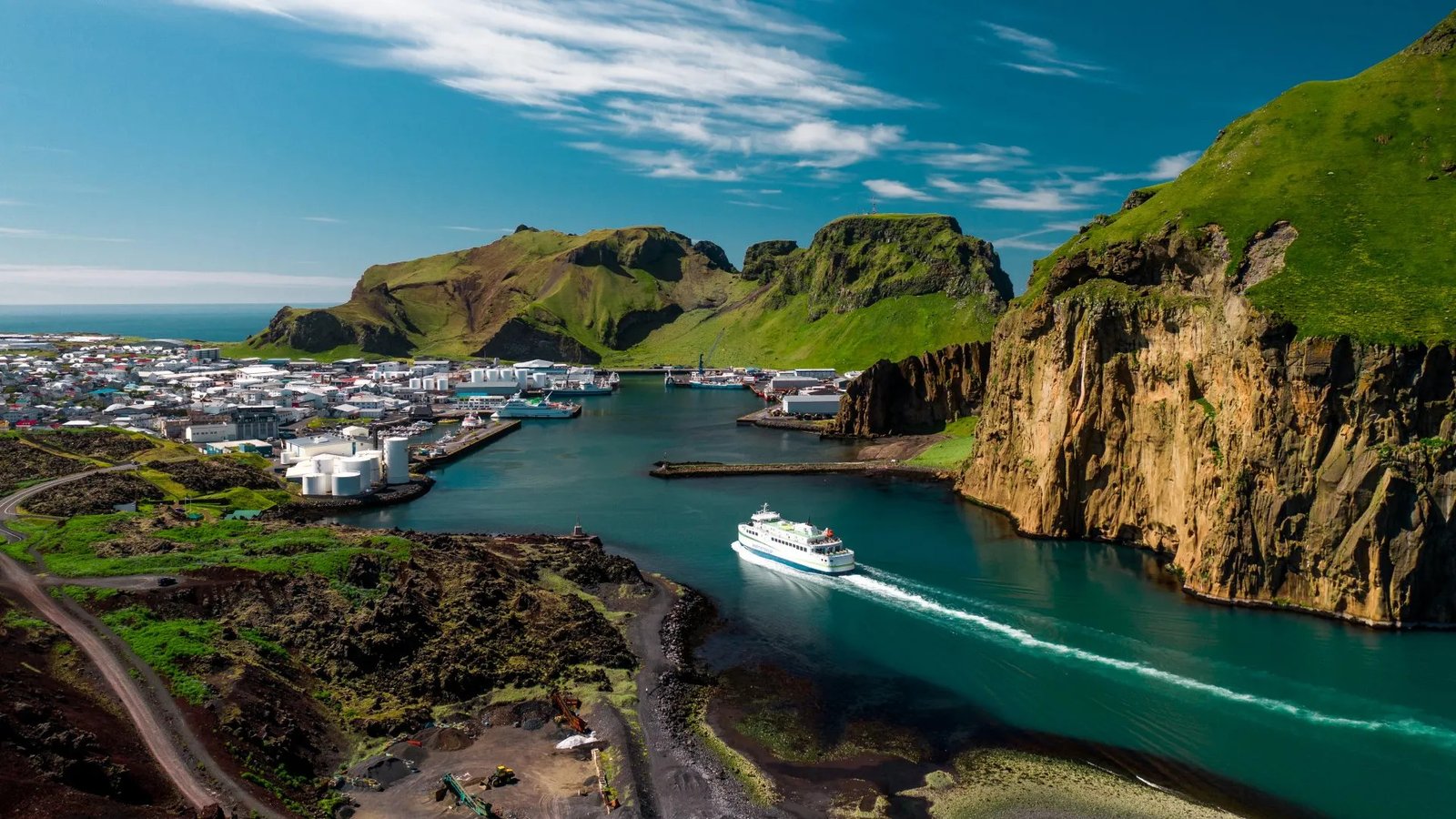
Off the south coast, the Westman Islands (Vestmannaeyjar) combine volcanic history and wildlife. Heimaey, the largest island, witnessed a dramatic eruption in 1973 that nearly buried the town. Today, it’s a fascinating mix of natural history and puffin colonies. Ferries and flights make the islands an easy side trip from the mainland.
Other small islands, like Grímsey on the Arctic Circle, provide unique geographic bragging rights and abundant birdlife. These offbeat destinations show Iceland’s variety beyond its main ring-road route.
Conclusion
Iceland’s top destinations stretch from the capital’s cultural hub to the remote fjords of the west, from south coast icons to volcanic highlands. Each region offers its own version of the country’s elemental drama—fire and ice, history and modernity, solitude and hospitality. Whether you’re chasing waterfalls, exploring Viking history, or soaking in geothermal pools, Iceland delivers unforgettable places to explore.
Continue planning with our dedicated guides: Adventure & Activities in Iceland, Accommodation in Iceland, and Transportation Guide for Iceland.