
Adventure & Activities in Iceland: Thrills in the Land of Fire and Ice
Adventure & Activities in Iceland: Thrills in the Land of Fire and Ice
Iceland is a playground for adventurers, where glaciers meet volcanoes, rivers cut through lava fields, and the sky dances with the Northern Lights. From high-adrenaline glacier hikes to soothing geothermal baths, the country offers experiences that connect travelers with both raw nature and rich culture. This guide introduces the most unforgettable adventures and activities to try during your Iceland journey.
Glacier Adventures
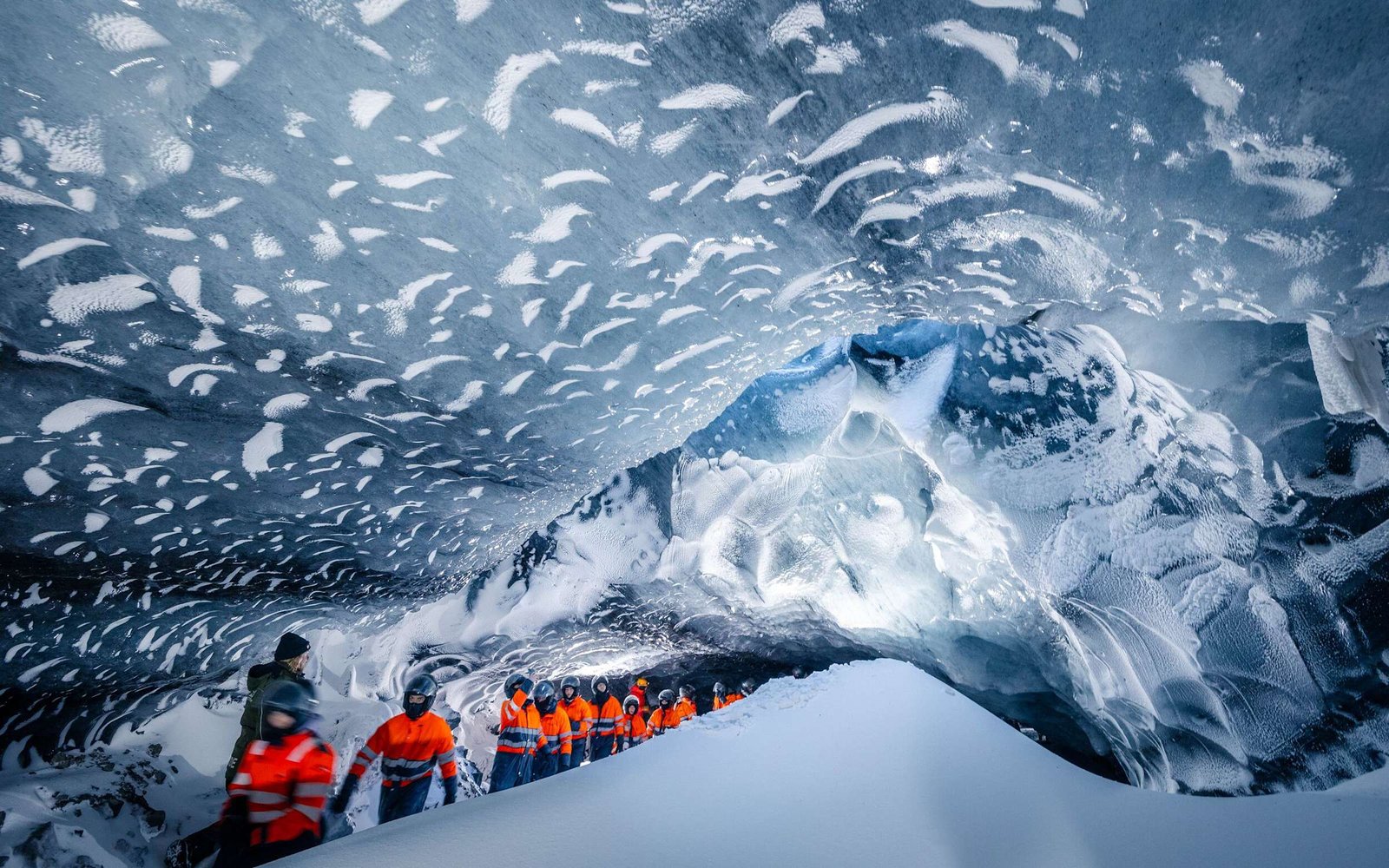
Few activities capture Iceland’s spirit better than stepping onto a glacier. The vast Vatnajökull and smaller glaciers like Sólheimajökull and Langjökull are accessible for guided tours. Glacier hiking allows you to explore blue ice formations, crevasses, and ridges with the safety of crampons and expert guides. Winter brings opportunities for exploring ice caves, shimmering blue chambers carved naturally by meltwater.
For more speed, try snowmobiling across a glacier plateau. Operators near Gullfoss and Vatnajökull provide gear and training, letting travelers experience the thrill of racing across vast icy expanses. These adventures combine adrenaline with jaw-dropping scenery, making them a highlight of many itineraries.
Volcano & Geothermal Experiences
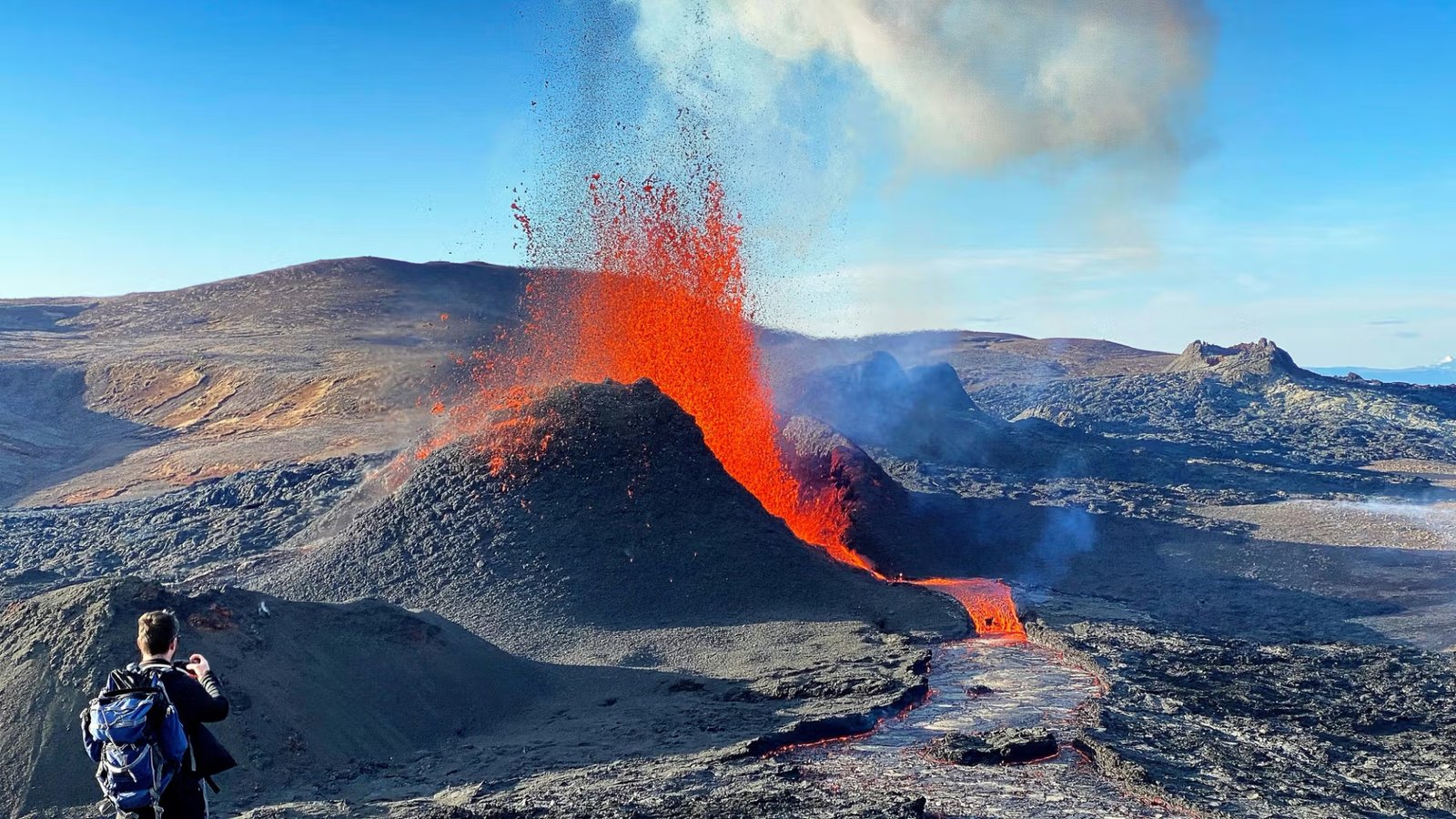
Iceland’s volcanic nature is on display across the island. Hiking into craters like Kerið or Eldborg provides glimpses into the country’s fiery origins. For a deeper dive, guided tours descend into lava tubes such as Raufarhólshellir, where colorful mineral deposits line ancient chambers.
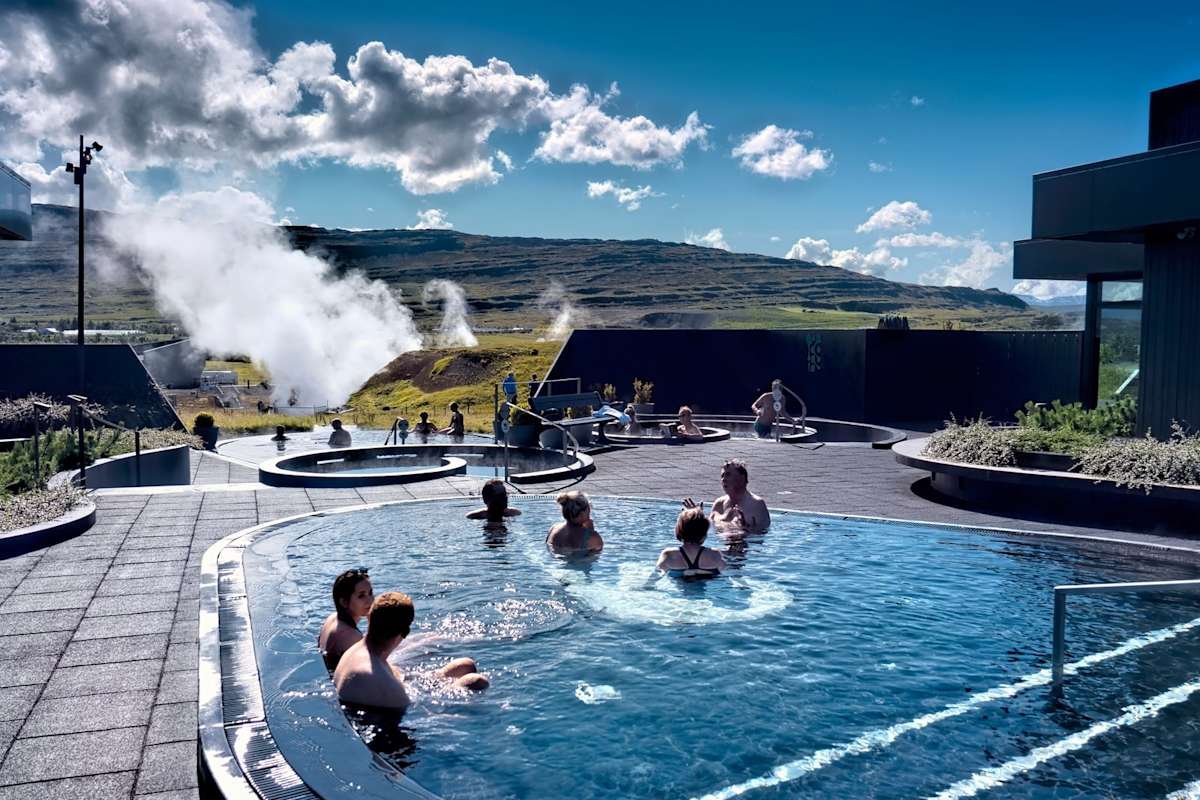
Volcano lovers can even visit the dormant Thrihnukagigur volcano, where an elevator lowers participants into a magma chamber—an experience unique to Iceland. Beyond volcanoes, geothermal bathing is part of daily life. While the Blue Lagoon is world-famous, local pools and secret hot springs provide authentic and budget-friendly alternatives. These geothermal adventures balance excitement with relaxation, offering both spectacle and serenity.
Hiking & Trekking
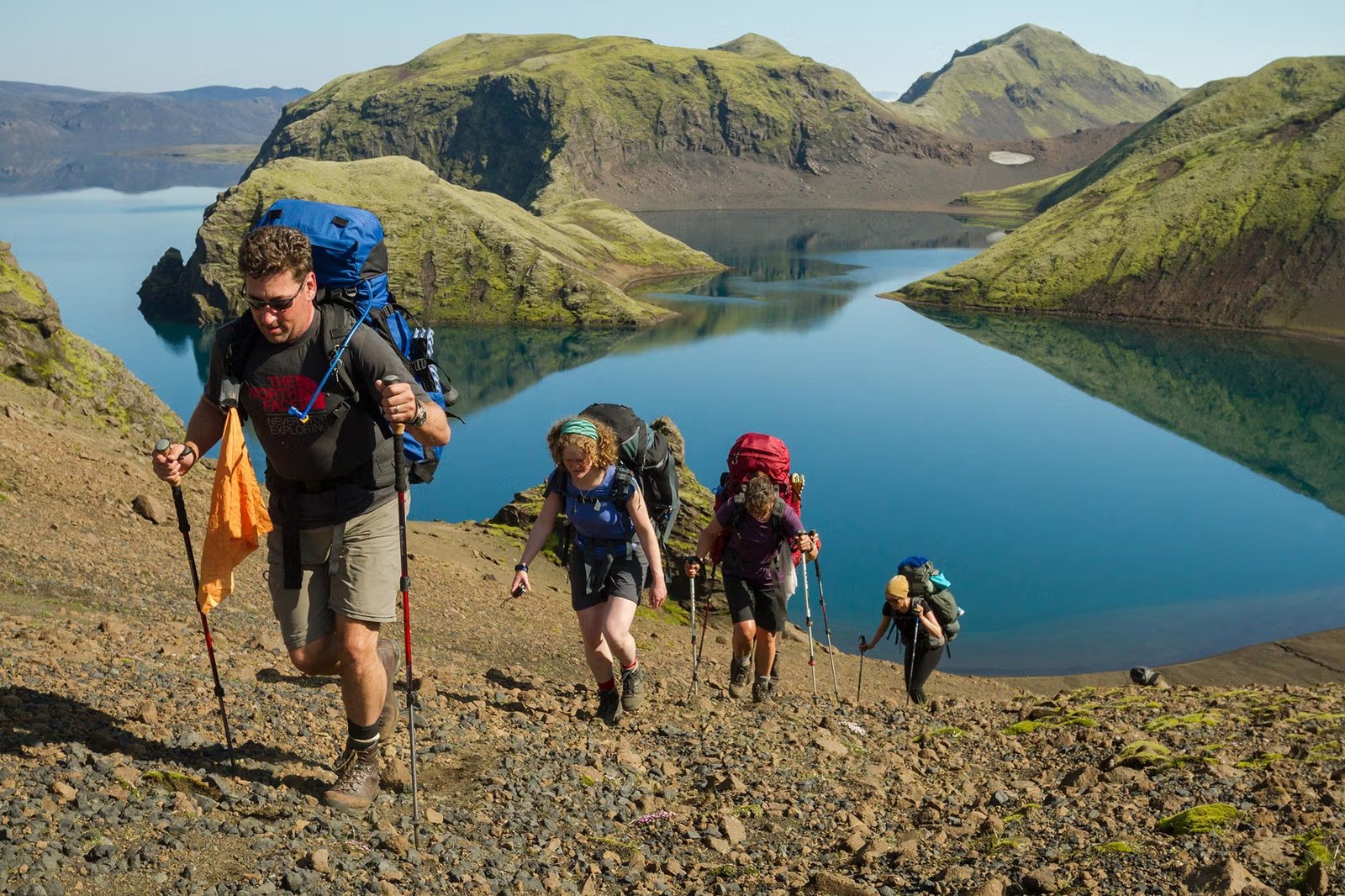
Hiking in Iceland ranges from short coastal walks to multi-day treks through surreal landscapes. The Laugavegur Trail is Iceland’s most famous multi-day hike, stretching about 55 kilometers between Landmannalaugar and Þórsmörk. Along the way, hikers encounter rhyolite mountains painted in reds, yellows, and greens, hot springs, and volcanic deserts.
Other classic hikes include the Fimmvörðuháls trail, connecting Skógafoss waterfall to Þórsmörk valley with views of Eyjafjallajökull and Mýrdalsjökull glaciers. Landmannalaugar also offers day hikes among steaming vents and colorful ridges. Even within Reykjavík, trails like Esja mountain provide accessible adventures with panoramic city views.
Preparation is essential—weather shifts quickly, and river crossings or steep climbs demand proper gear. For safe trekking, see our Travel Tips for Iceland.
Water Adventures
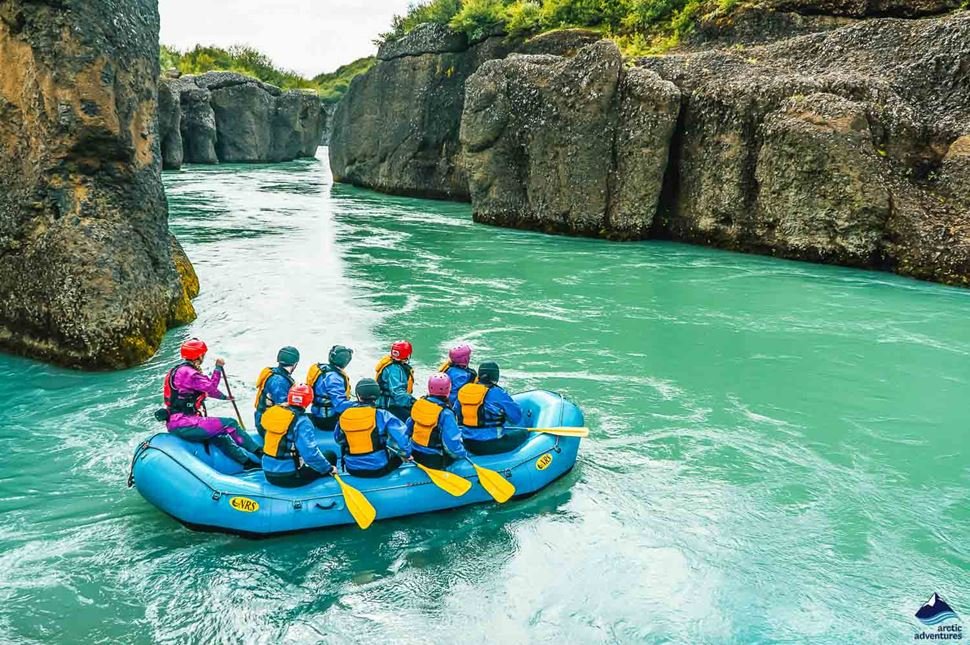
Iceland’s rivers, lakes, and coastlines open doors to aquatic thrills. Rafting in rivers like Hvítá near Gullfoss or the glacial-fed Jökulsá-Austari offers adrenaline-pumping rapids. For divers and snorkelers, the Silfra fissure in Þingvellir National Park is unmatched: a crack between tectonic plates with crystal-clear water and visibility over 100 meters.
At sea, whale watching tours operate from Reykjavík, Akureyri, and Húsavík, often spotting humpbacks, minke whales, and dolphins. In summer, puffin-watching excursions add birdlife to the mix. Coastal kayaking in the Westfjords or lagoon paddling near glaciers lets travelers experience Iceland’s waters more quietly but just as memorably.
Northern Lights Hunts

From September through April, Iceland becomes one of the world’s best places to view the Northern Lights. Aurora hunts can be done independently—driving away from city lights—or with guided tours that track weather and solar conditions. Many tours combine aurora watching with hot chocolate, folklore, and photography tips.
Patience and flexibility are key, as clear skies and solar activity determine success. Some accommodations even offer “aurora wake-up calls” so guests never miss a midnight display. Learn more about safe and responsible viewing on our Sustainable Tourism in Iceland page.
Road Trips & Highlands Exploration
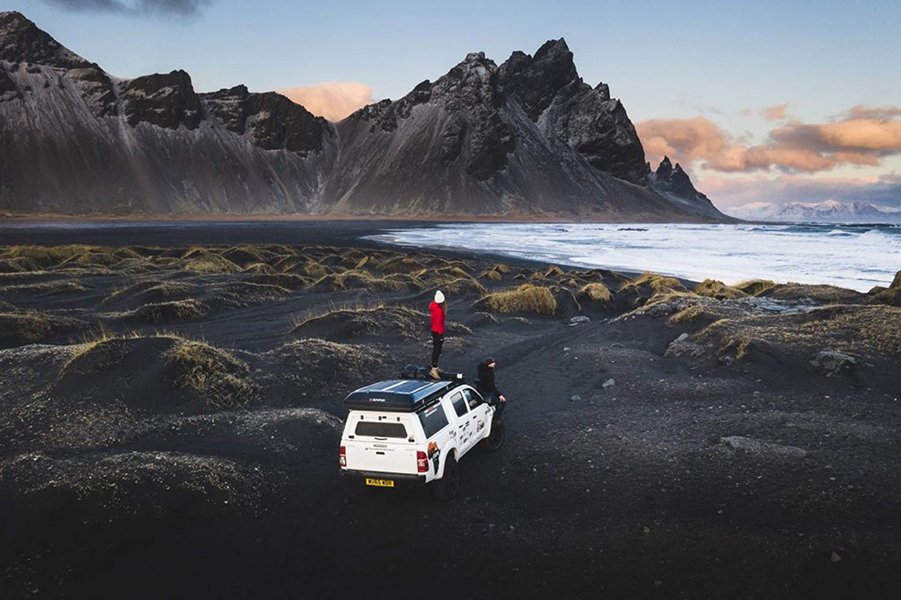
Driving in Iceland is an adventure itself. The Ring Road circles the island in about 1–2 weeks, connecting waterfalls, glaciers, fjords, and towns. Side trips into the highlands offer rugged 4x4 challenges and wilderness solitude. Roads like those into Landmannalaugar or Askja require river crossings and are open only in summer.
For off-road enthusiasts, super jeep tours led by experienced drivers provide access to otherwise unreachable areas, including glacier caps and volcanic craters. These road-based adventures combine exploration with safety, offering unique access to Iceland’s untamed interior.
Horseback Riding
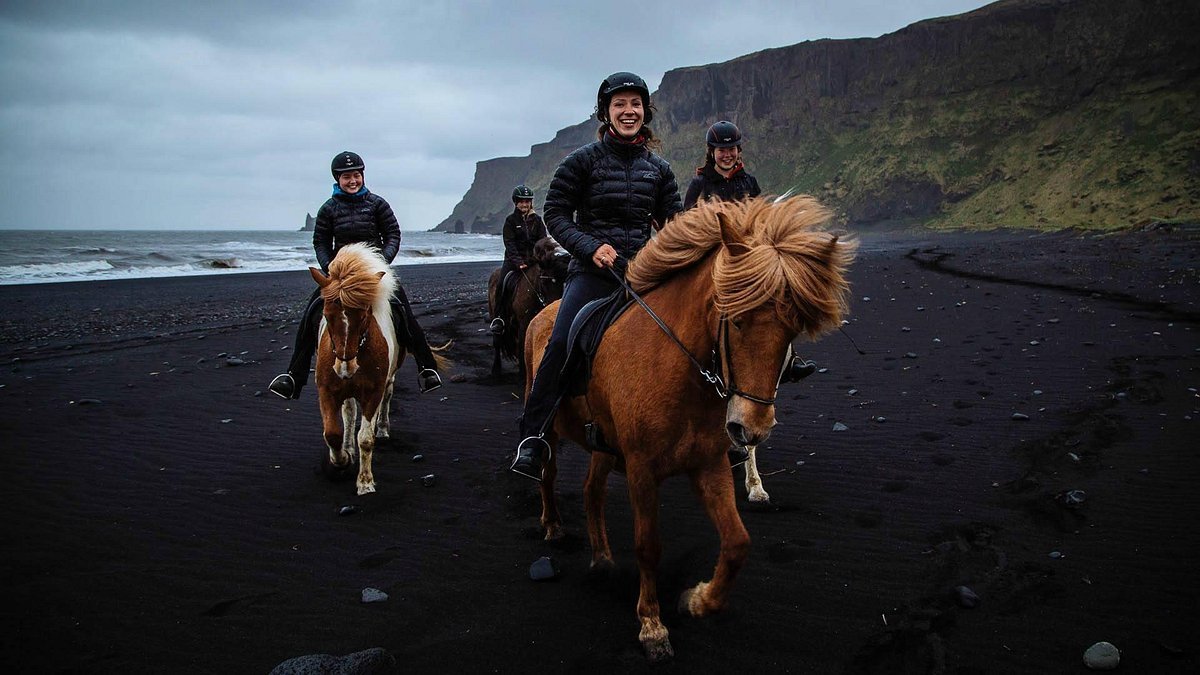
The Icelandic horse is a national treasure—small but strong, known for its unique gait called the tölt. Riding tours are offered across the country, from short beginner-friendly rides to multi-day treks through valleys and lava fields. Horses are woven into Iceland’s culture and history, introduced by Vikings over 1,000 years ago and carefully bred ever since.
Horseback riding not only offers adventure but also connects travelers to Iceland’s traditions and landscapes at a slower, more intimate pace.
Cultural & Soft Adventures
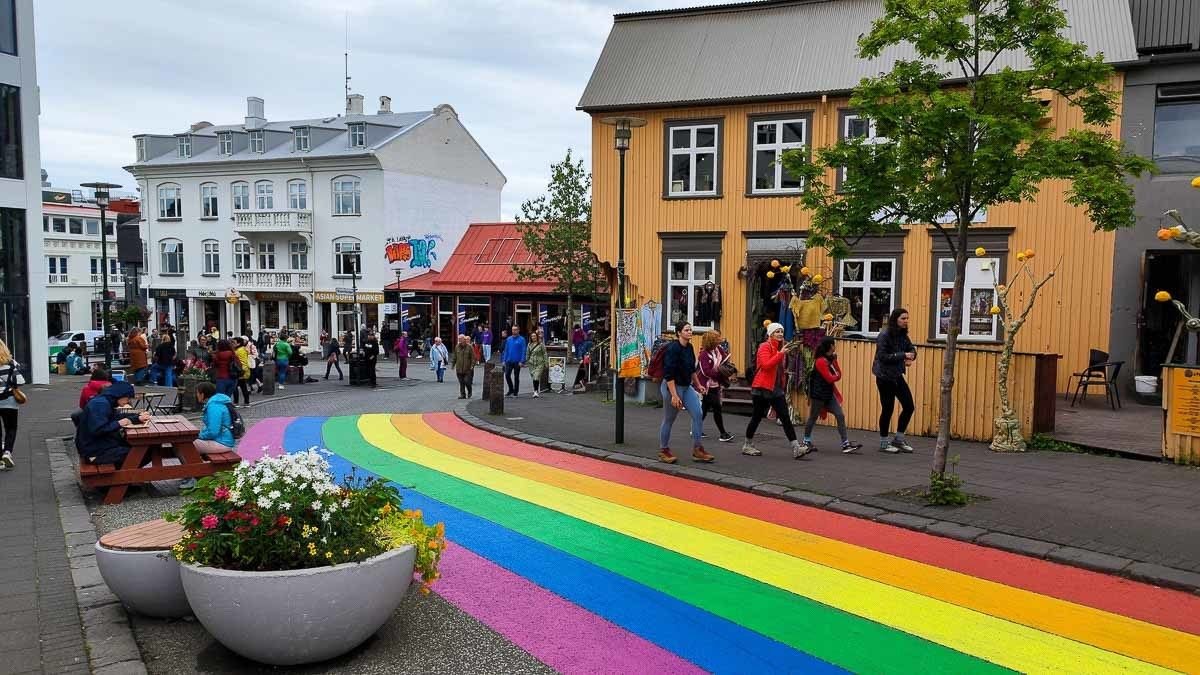
Not all Icelandic adventures are extreme. Cultural experiences provide softer but equally meaningful thrills. Walking tours of Reykjavík uncover street art, architecture, and Viking history. Visiting interactive museums, lava centers, and geothermal exhibitions deepens understanding of Iceland’s natural forces.
Food tours introduce visitors to local flavors, from artisanal cheeses and lamb to innovative takes on seafood. Evenings may end with live music, from folk performances to electronic sets. These experiences, while less physically demanding, immerse travelers in the adventure of Icelandic culture.
Adventure by Season
Summer (June–August): Best for highland hiking, river rafting, and whale watching. Midnight sun extends exploration hours.
Autumn (September–October): Ideal for Northern Lights, fewer crowds, and colorful landscapes.
Winter (November–March): Prime time for ice caves, aurora hunts, snowmobiling, and cozy cultural adventures.
Spring (April–May): Offers waterfalls at full force, returning birdlife, and the opening of hiking trails as snow melts.
Conclusion
Iceland’s adventures are as varied as its landscapes—icy, fiery, watery, and cultural. Whether you’re strapping on crampons for a glacier hike, diving into a rift between continents, or riding a sturdy Icelandic horse across mossy plains, every activity connects you to the island’s elemental power. With careful planning, respect for nature, and the guidance of local experts, your adventures in Iceland will be unforgettable.
Continue planning your trip with our guides to Beaches in Iceland, Sustainable Tourism in Iceland, and Travel Tips for Iceland.